Uganda to curb commercial borrowing to limit debt build-up
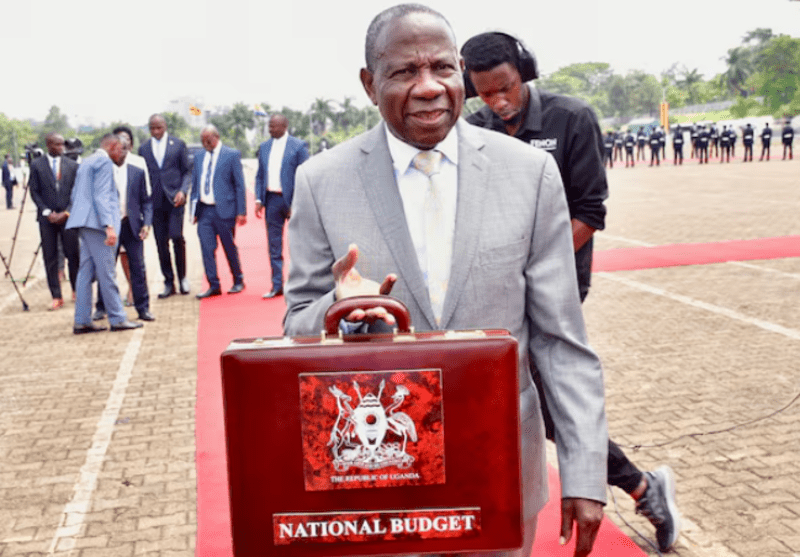
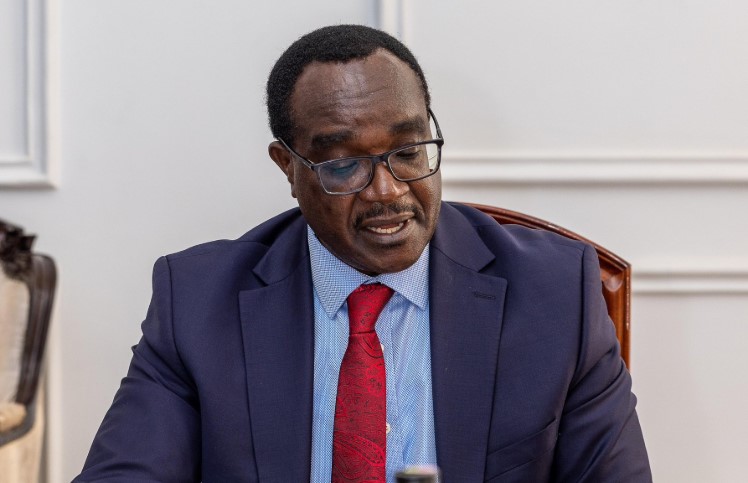
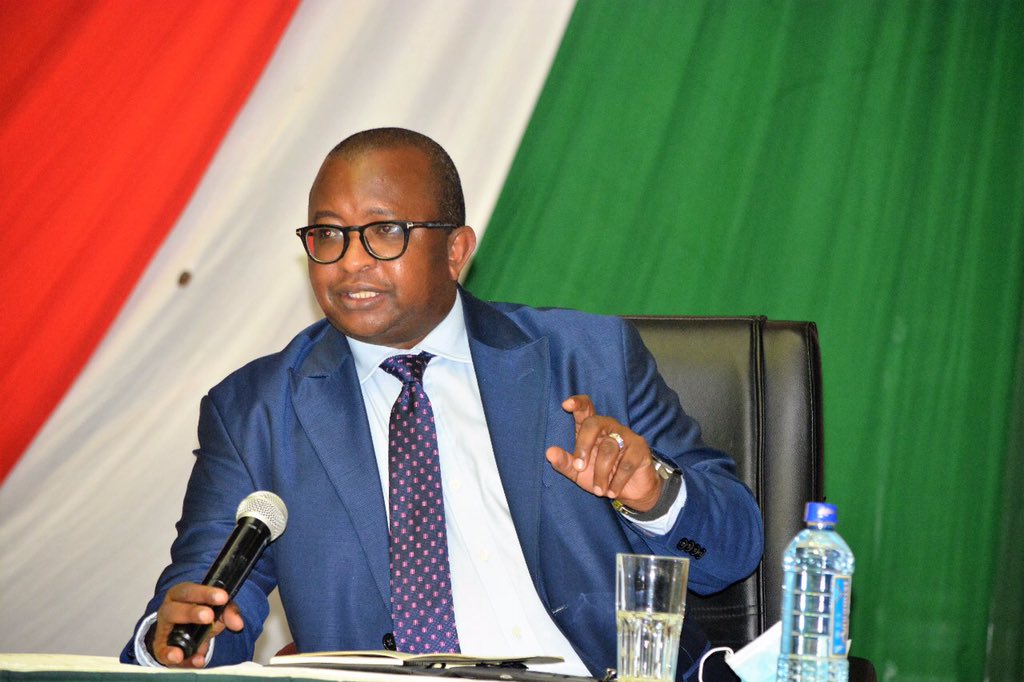
Finance Minister Matia Kasaija said in a budget speech that total public debt stood at $24.7 billion at the end of last year and was seen rising to $25.7 billion by the end of this month.
Uganda hopes to limit rising debt by focusing on concessional borrowing and curbing commercial loans next fiscal year, its finance minister said on Thursday, after a credit rating downgrade last month.
The East African country's public debt has been mounting as the government of President Yoweri Museveni splurges on big infrastructure projects, prompting warnings from its central bank.
More To Read
- Uganda signals possible social media shutdown ahead of 2026 polls
- UN Rights Chief raises alarm over abductions, enforced disappearances in Uganda ahead of elections
- Uganda opposition candidates present policies as Museveni skips live presidential debate
- How 'Long Covid' continues to challenge patients five years on
- Uganda: One dead, several injured in Iganga campaign violence
- Uganda stops granting refugee status to nationals from Ethiopia, Somalia and Eritrea
In May, Moody's lowered Uganda's sovereign rating, citing increasingly constrained financing options.
Finance Minister Matia Kasaija said in a budget speech that total public debt stood at $24.7 billion at the end of last year and was seen rising to $25.7 billion by the end of this month.
Debt service costs excluding domestic debt redemptions were projected to swallow 40.3% of domestic revenue in the fiscal year that starts in July, up from 33.4% in the current year.
Uganda's government says borrowing has been used to drive economic growth, which has been faster than many of its African peers since the Covid-19 pandemic.
The economy was expected to grow between 6.4% and 7% next fiscal year, Kasaija said, spurred by oil and gas activities ahead of planned crude oil production starting in 2025/26.
The budget deficit was projected to rise to 5.7% of gross domestic product (GDP) next fiscal year, up from 4.5% this year.
"Uganda's economy has fully recovered from the various external and internal shocks that impacted performance in the past four years," Kasaija said.
The government plans to spend 72.1 trillion Ugandan shillings ($19.4 billion) next fiscal year.
It will start construction of a $2.2 billion standard gauge railway aimed at cutting the cost of international trade.
Other big projects include the $5 billion East African Crude Oil Pipeline that is being developed to help the country export its oil via Tanzania.
Top Stories Today